
F3 Local at Eco-Farm: Value-Added Food Production
- f3localucanr
- Feb 20
- 2 min read
Updated: 6 days ago
About Eco-Farm
Eco-Farm’s 46th annual conference was held from January 21st to 24th. This year brought together over 1,500 organic and regenerative farmers, educators, and researchers from throughout California. This year's workshops covered weed management, value-added production, food preservation, and farm-to-school programs, connecting research with real-world farming solutions.
About the Discussion
F3 Local made its first appearance this year, with Food Innovation and Small Business Coordinator, Yonatan Weinberg, facilitating a discussion on value-added production and processing. The session was jam-packed with more than 80 people in the audience, some standing in the doorway. Could a discussion about regulations and compliance really be that interesting? Yes!
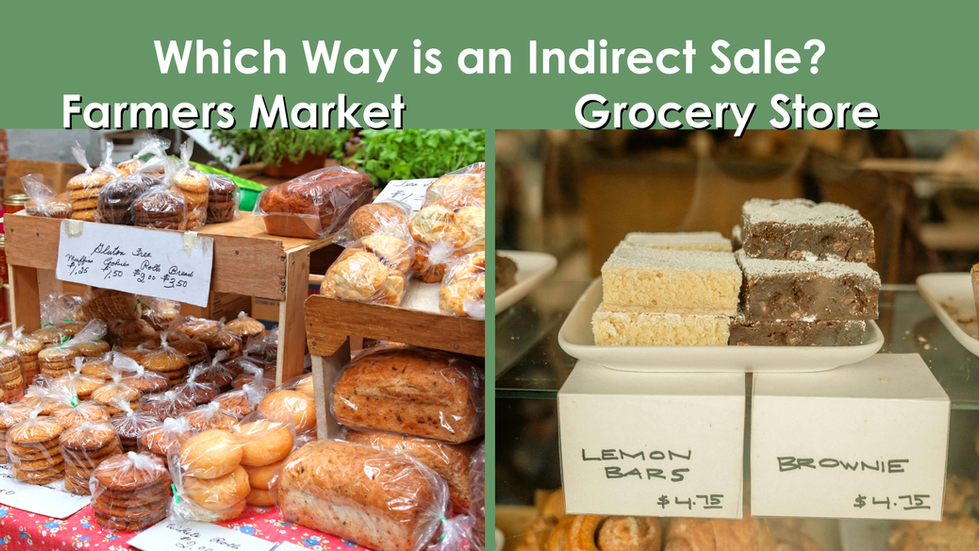
Farmers across California are diversifying their incomes by processing their seasonal surplus themselves. Many want to know whether they are doing it right and whether it would even be worth it. That's what we discussed.
The session started with introductions from the facilitators. Alongside Yonatan was Todd Champagne, co-founder at Happy Girl Kitchen, kitchen manager at Fox Creek Ranch, and a farmer in Carmel Valley–and Peter Ruddock, policy expert and contributor to the California Cottage Food law and MEHKOs (Micro-Enterprise Home Kitchen Operations). Yonatan shared a presentation on the spectrum of permits, from the easiest and cheapest, Cottage Food license, to the highly regulated Cannery license.
















The Case for Cottage Food Licensing
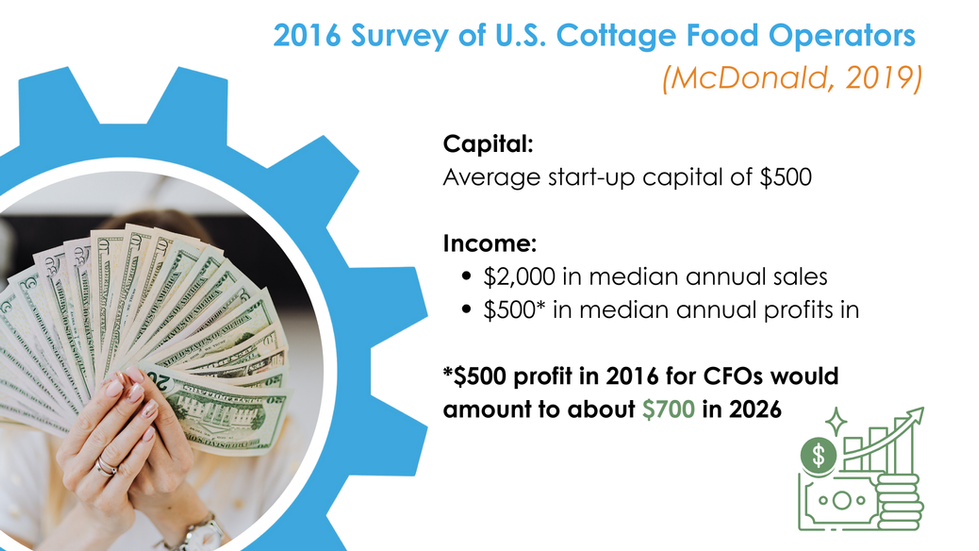
A Cottage Food license can be a good starting point for many who want to test the market with their goods. With this license, you can make your food in your own home kitchen, and in Fresno County, it will cost you less than $1000 to obtain all associated permits. Your food item just needs to be in California Department of Public Health-approved list (a narrow selection of shelf-stable goods).
For a Processed Food Registration, you have a wider selection of foods you can make, but you will need to rent space/time in a commissary kitchen, an additional expense.
Cannery licenses are for riskier foods like low-acid pickles and ferments. For those interested, try reaching out to existing canneries to co-pack.
Todd Champagne presented an arrangement of foods he makes with his wife, Jordan, at Happy Girl Kitchen. They brought Cottage Food-approved jams and cannery-licensed pickles.
Micro Enterprise Home Kitchen Operations (MEHKOs)
Peter Ruddock shared about MEHKO, the license that lets entrepreneurs cook warm meals (not just shelf-stable products) from their home kitchen. This license is only available to counties that have adopted it.
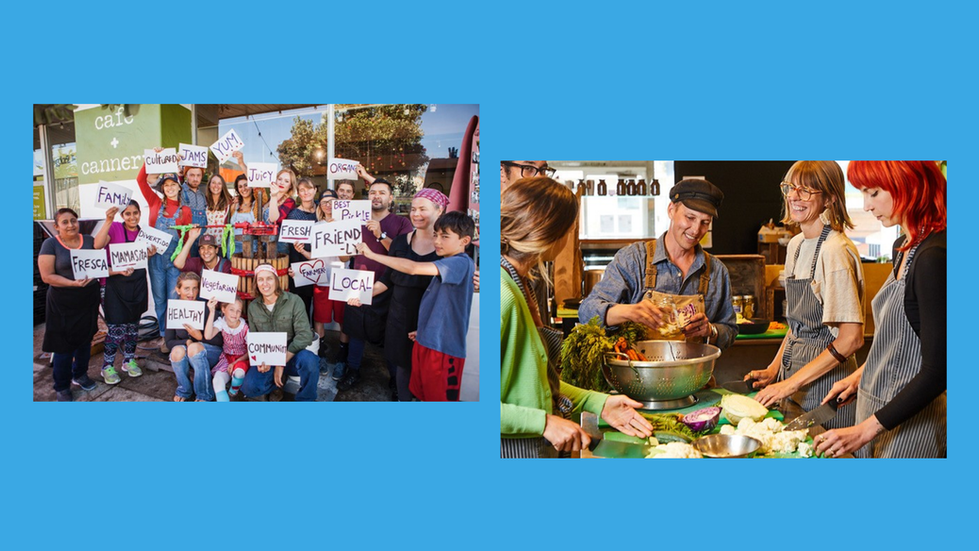
The conversation was lively, with farmers asking questions about herbs and cottage foods, and sharing enthusiasm about MEHKO. The team is looking forward to next year’s Eco-Farm Conference to continue the discussion.
Want to Make a Value-Added Product?
Are you a farmer or entrepreneur in the San Joaquin Valley eager to make value-added products or start a cottage food business? Don't hesitate to reach out by email yweinberg@ucanr.edu, or phone 559-708-7204.


Comments